



 6 / 12

Page 6
Martin Scholten and Harry Clark, the Dutch and New Zealand co-chairs of the LRG discuss the recent
Global Research Alliance Council meeting and how its outcomes will impact on the LRG in the coming months.
Q&A with the LRG co-chairs
following the Council meeting
Q. How were the LRG’s activities received?
A.
The Council was impressed by the scope and quantum of the LRG’s
work – we received a lot of praise for the various communication
documents that we shared with the Council (the case studies of
success, the LRG’s review on participation, the new brochure). Council
members described these as incredibly valuable, for example in
briefing Ministers on GRA progress and achievements. The Council
was also very appreciative of the efforts to build capability. A copy of
our presentation to the Council can be found in the members area of
the GRA website.
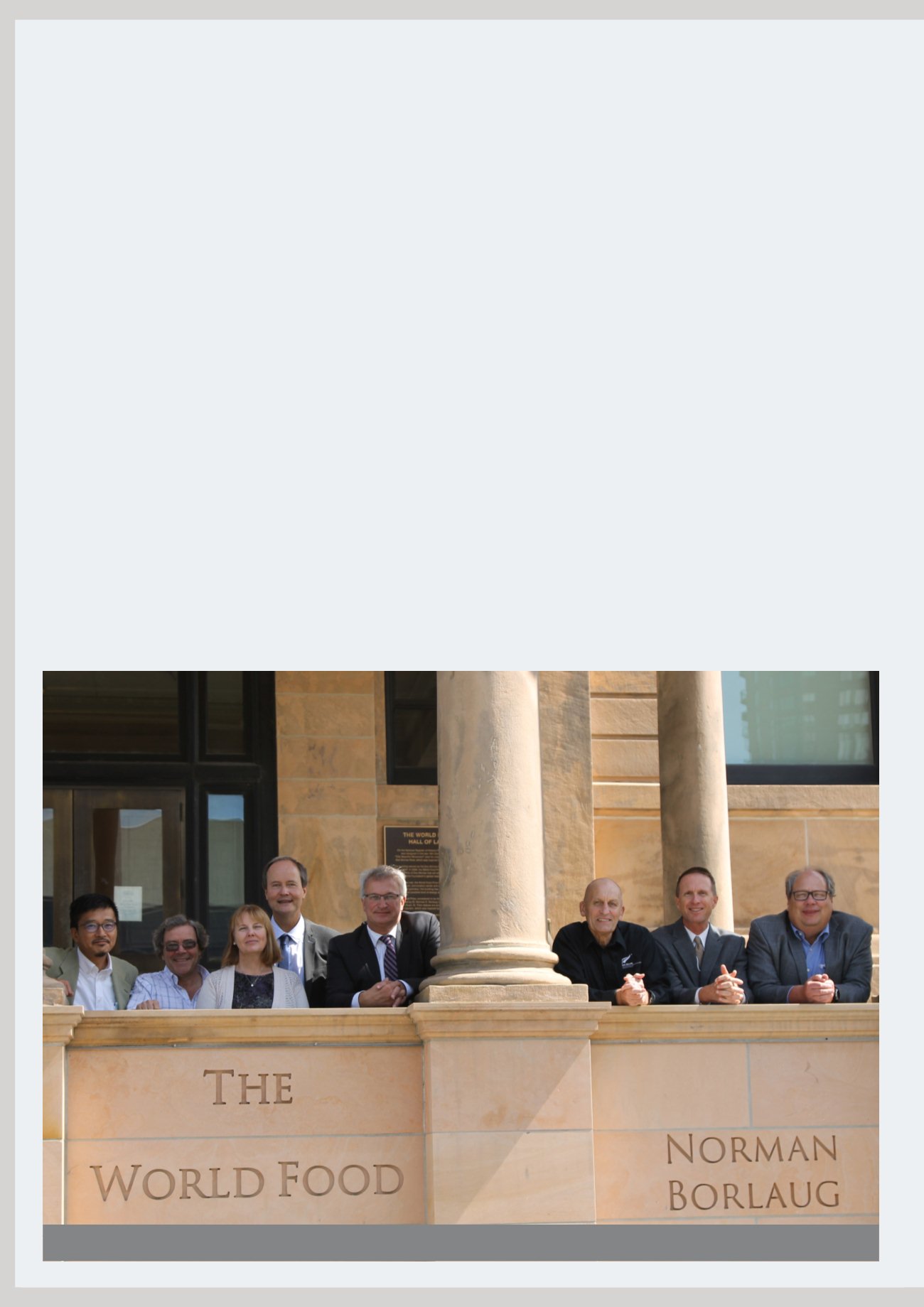
Research Group co-chairs attending the Council meeting
Q. What effect will the proposed new Integrative Research Group
have on the LRG?
A.
Before we talk about impacts, we need to be clear about why
this new Research Group has been proposed. The GRA Charter’s
mandate for the Cross-Cutting Groups isn’t particularly flexible and
doesn’t allow them to easily take on new activities. The idea for the
new Group was seen as a way to overcome this inflexibility and have
a Group that could address a number of cross-cutting issues rather
than the two that were identified when the GRA was first formed. This
new ‘Integrative Research Group’ would form research networks to
address a range of cross-cutting issues. One immediate impact on the
LRG would be that the cross-cutting issue of grasslands, of interest
to the LRG, the Croplands Group and the Soil Carbon and Nitrogen
Cycling Group, would migrate to the new Group.